
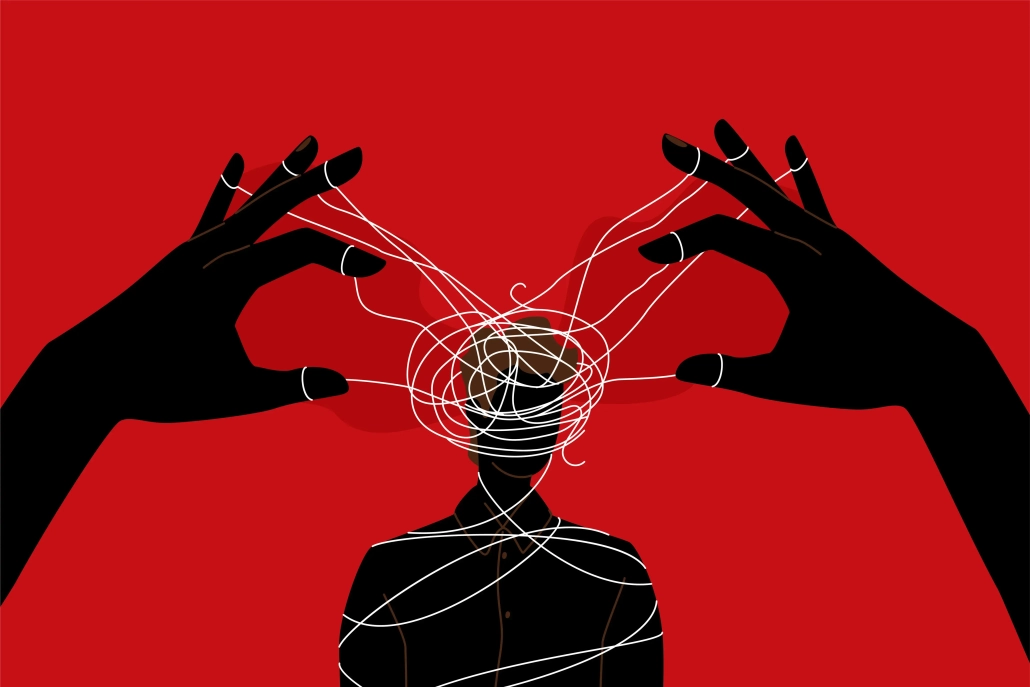
How to handle a narcissist in your divorce
The latest buzzword in relationship issues the past decade seems to be that a spouse is a narcissist.
Here are some characteristics of a Narcissist:
The most common symptoms include:
- Being overly boastful, exaggerating one’s own achievements
- Pretending to be superior to others
- Lack of empathy for others
- Looking down on others as inferior
- Monopolising conversations
- Impatient, angry, unhappy, depressed or has mood swings when criticized
- Easily disappointed when expected importance is not given
- Always craves for “the best” in everything
- Has a very fragile self-esteem
How to handle a narcissist in your divorce:
- Keep your plans secret. Keep yourselfe from sharing everything with him or her. If you are going to leave there is no need to warn your spouse and create even more conflict
- Educate yourself on narcissism. Read up and equip yourself with what to expect and how to deal with it
- Rebuild your support system. Make contact with the friends that you weren’t allowed to have. Do things with them.
- Seek an experienced legal representative. Shop around. See where your fit is. Don’t go to an attorney that you cannot talk to and who doesn’t listen to you
- Expect an increase in abusive and manipulative behaviors. This is par for the course.
- Be prepared. Emotionally and if you can financially. Get counselling to strengthen your resolve and maintain your inner peace.
- Remember why you are leaving. There is a reason why you are so unhappy.
- Establish boundaries. This is a tough one. Put your foot down
How does a Narcissist retaliate in a divorce?
- Shock, denial, or rage: Narcissists struggle to handle rejection and may react with shock, denial, or anger. Alamost always- you will be blamed for taking the selfish step of divorcing him or her.
- Manipulative tactics: They use gaslighting, emotional blackmail, and financial manipulation to prolong proceedings and gain advantage.No matter the costs(and here we mean legal costs) they will rather fight than admit defeat.
- Shift to anger and retaliation: As the reality of divorce sets in, their reaction turns to anger, verbal abuse, and attempts to control the narrative. The anger is always just around the corner so don’t be surprised if the anger comes to the surface
- Blame-shifting and victim-playing: Narcissists blame others and play the victim to avoid personal accountability.Sadly the narcissist will draw the children in and act the victim with them. Anything other than to accept responsibility for their actions.
- Intimidation: They may resort to shouting, name-calling, and even physical aggression to intimidate their spouse.



Leave a Reply
Want to join the discussion?Feel free to contribute!